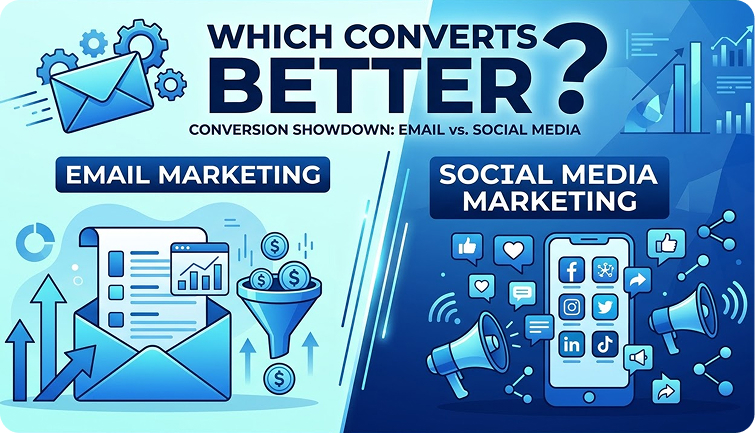
Many businesses get confused when they think about email marketing and social media marketing. Both look useful, take time, and promise results in different ways. Social media shows likes, comments, and followers. Email does not show much. Because of that, people often think social media is doing better. But likes and followers do not always mean sales or signups.
What really matters is conversion. Conversion means when someone actually takes action. This blog helps you understand email and social media marketing, and tells which one usually helps more when the goal is real results.
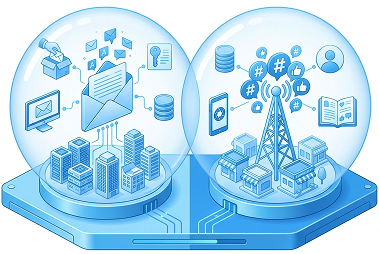

Stop Guessing Which Channel Converts
See how email and social media can work together to turn attention into real leads.
What Is Email Marketing?
Email marketing means sending emails to people who have agreed to receive them from a business. Businesses use email for marketing to share offers, updates, reminders, or helpful messages. These emails go straight to a person’s inbox. People check their inbox every day, sometimes many times. Email for marketing feels more personal. Even when the email is sent to many people, it still feels direct. Like someone talking to you, not a crowd.
Types of Email Marketing
The following are the main types of email marketing:
- Welcome Emails
- Promotional Emails
- Lead-Nurturing Emails
- Transactional Emails
- Re-Engagement Emails
Now, we will discuss each type in detail for better understanding.
Welcome Emails
These emails go to people when they join your list. They say “hello” and “thank you.” They tell what will happen next. A good welcome email makes people feel happy and trust your brand.
Promotional Emails
These emails show sales, deals, or new products. Do not send too many. Too many emails can make people upset. When you send at the right time, people remember your brand and may buy something.
Lead-Nurturing Emails
These emails come slowly, one after one. They teach people about your product or service. People like these emails because they give information, not just sell.
Transactional Emails
These emails happen after someone does something. For example, buying a product, signing up, or downloading. They can be order messages, shipping messages, or account messages. People usually open these emails because they need them.
Re-Engagement Emails
Some people stop reading emails. Re-engagement emails try to make them interested again. They can give a small offer, tip, or reminder. This helps people notice your brand again.
Turn Email Into a Sales Engine
Automate welcome emails, follow-ups, and nurture sequences that convert subscribers into customers.
What Is Social Media Marketing?
Social media marketing happens on apps people use every day. Facebook, Instagram, TikTok, and others. People are there to relax, scroll, and pass the time. Marketing through social media means brands show up in feeds with posts, videos, or ads. Some posts are free while others are paid. Organic social media means posting without ads. Paid social media marketing means spending money so more people see the content. In both cases, the platform controls who sees your post.
Social Media Marketing Methods
The following are some main methods of social media marketing:
- Organic Posting
- Paid Ads
- Influencer Marketing
- Community Engagement
- User Content
- Contests and Giveaways
Let’s explain each method in detail for better understanding:
Organic Posting
In organic posting, you have to post photos, videos, or stories on Facebook, Instagram, or TikTok. It is free. It helps people see your brand. You must post often to stay on people’s minds.
Paid Ads
These are ads you pay for. They show your posts to more people. Paid ads reach the right people fast. But if you stop paying, the results slow down.
Influencer Marketing
You ask popular people to talk about your brand. People trust them more than normal ads. Influencers can post videos, photos, or stories about your product.
Community Engagement
Social media is not only about posting. You also reply to comments, join groups, or do live sessions. Talking with people makes them like your brand more.
User Content
Ask your customers to share their photos, videos, or reviews. Share them on your page. People trust other people more than ads.
Contests and Giveaways
Give small gifts or prizes. Ask people to tag friends, share posts, or comment. This helps more people see your brand. It is fun and grows your audience.
Turn Social Media Traffic Into Leads
Capture followers and move them into email funnels that drive real conversions.
Email Marketing vs. Social Media Marketing
To understand the difference between email marketing and social media marketing, we will understand the following points in detail:
- Audience Ownership and Control
- User Intent and Mindset
- Personalization and Targeting
- Conversion Speed
- Cost Efficiency and ROI
- Content Lifespan
- Automation and Scalability
Audience Ownership and Control
Email lists belong to the business. If someone joins the list, the business can reach them anytime. Social media followers belong to the platform. A page can lose reach without warning. Followers may not even see the posts.
User Intent and Mindset
People who join an email list expect messages. They know marketing emails will come. On social media, most people are just scrolling. They are not looking to buy. They are just passing the time.
Personalization and Targeting
Email allows better message control. Businesses send different emails to different people depending on the actions or interests of the people. Social targeting depends on the working system of the platform. This system can change and is not always clear.
Conversion Speed
Email often leads to faster action. The message reaches someone who has already shown interest. Social media usually needs many views before action happens. People see posts again and again before doing anything.
Cost Efficiency and ROI
Email costs less over time. After setup, sending emails does not cost much more. Social media often needs regular ad money. Organic reach alone is usually not enough.
Content Lifespan
Emails stay in inboxes until deleted. People can come back to them later. Social posts disappear fast. New posts push old ones down quickly.
Automation and Scalability
Email supports automation very well. Welcome emails, follow-ups, reminders all run on their own. Social automation is limited. Too much automation can hurt trust and reach.
| Point | Social Media | |
|---|---|---|
| Audience control | Business owned | Platform owned |
| User mindset | Expect messages | Just scrolling |
| Action speed | Faster action | Slower action |
| Message control | High control | Limited control |
| Content life | Stays longer | Fades fast |
| Cost over time | Low cost | Ongoing cost |
| Automation | Easy automation | Limited automation |
| Main strength | Sales focus | Awareness focus |
Conversion Rate and ROI Comparison
Email marketing converts better because people have already shown interest. Tracking is clearer, too. You can see who opened, clicked, and bought. Social media is helpful for brand awareness. Many people discover brands there for the first time. It also helps bring traffic to websites and sign-up pages. Retargeting works well on social media, especially when used with email. It reminds people who have already shown interest.
Ready to Choose the Right Channel for ROI?
We’ll map your budget to the channel that delivers the best return in Canada.
Case Studies and Real Campaign Examples
Email Marketing Campaign Examples
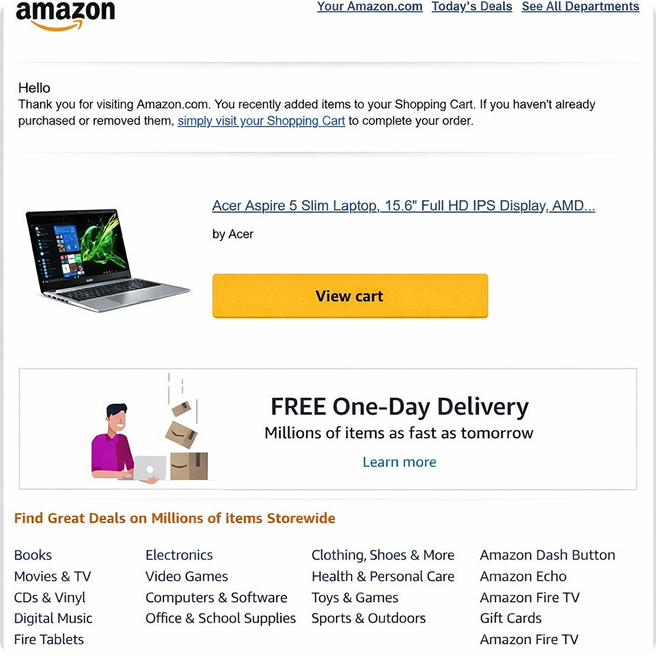
Amazon uses abandoned cart emails. When someone leaves items in a cart, an email reminder is sent later. Many people return and complete the purchase.
Dollar Shave Club uses email based on customer actions. The emails change based on what people do. This helps increase repeat buying.
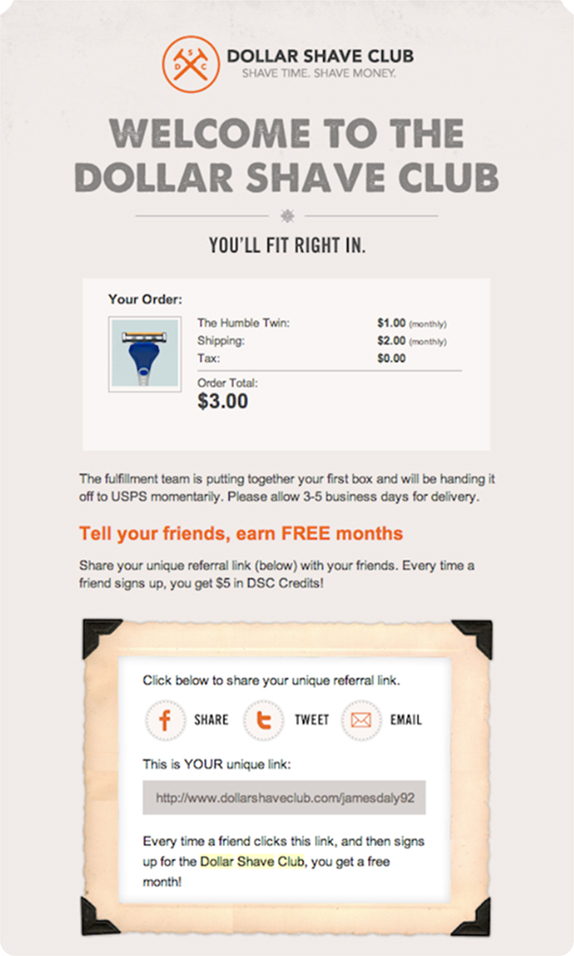
These examples show that email marketing works best when people are already close to buying.
Case Studies and Real Campaign Examples
Social Media Marketing Campaign Examples
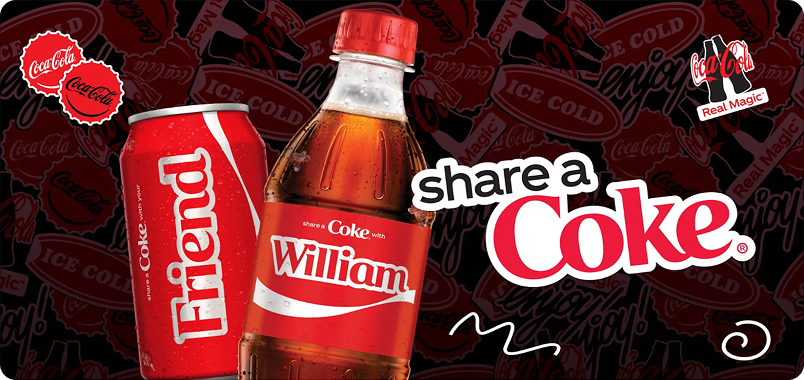
Coca-Cola’s Share a Coke campaign worked well on social media. People shared photos and tagged friends. The brand got a lot of attention.
Airbnb uses Instagram to share travel stories and photos. This builds trust and interest over time.
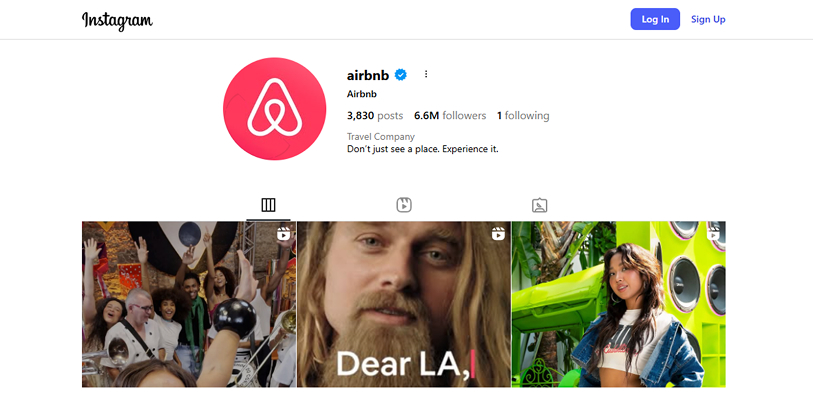
Social media marketing is strong for attention and engagement. Conversions usually take longer.
Combined Email and Social Media Campaign Example
Eternity Modern uses social media to get attention first. People see the brand and become curious. Email marketing then helps guide people step by step. Questions get answered. Trust builds. Email became a strong sales channel after social media helped grow the audience. Both channels worked together.
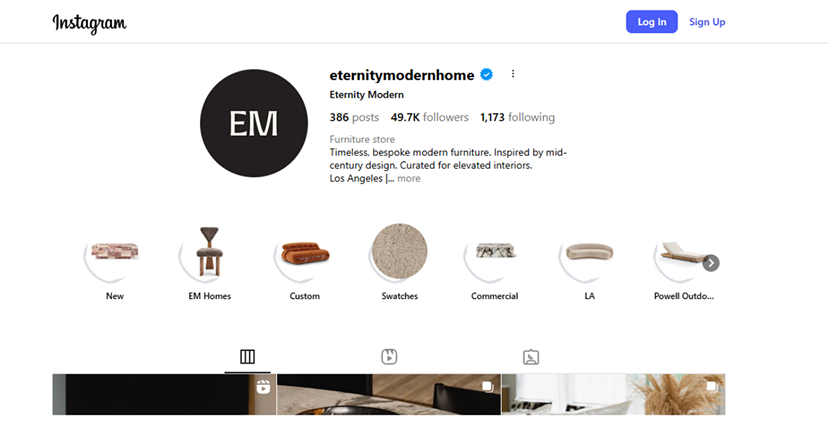
Social media marketing is strong for attention and engagement. Conversions usually take longer.
Want Campaign Results Like These?
Use proven automation strategies that bring customers back and increase repeat purchases.
How Email and Social Media Work Together
Social media is good for getting email signups. Simple forms, offers, and signup posts work well. Once people join the email list, communication becomes calmer and more direct. Email helps turn social visitors into customers. Automated emails follow up after signup. Retargeting connects both channels. Social reminds people. Email helps close the deal.
Conclusion
Email marketing works better for leads and sales. Social media marketing works better for attention and connection. When both are used together, results feel more natural and steady. In Canada, a digital marketing agency, Mindcob, guides people to use email and social media marketing effectively, depending on the needs of their business.
Stop Guessing. Start Growing.
Get a clear, data-driven marketing strategy built for Canadian businesses.
Frequently Asked Questions
Email usually works better for conversions. People join an email list on purpose, so they are more ready to click or buy. Social media is more for looking around, not acting fast.
Yes, email marketing still works. People open their email every day for work, shopping, and updates. Even if they skip some emails, they still see them.
Social media can bring sales, but it takes more time. People often see a post many times before they trust a brand. It is not fast, but it helps in the long run.
Small businesses should use email. It does not cost much and helps stay in touch with people. Even a small list can bring good results.
Using both together works best. Social media helps people find the brand. Email helps turn that interest into action.