
Off-page SEO can show how search engines look at a website from the outside. It is not only about what is on the website itself. It can be about how other websites mention you or link to your pages. In 2026, search engines may give more weight to mentions that look natural and steady, instead of sudden or forced links.
Many websites may fail in off-page SEO, not because they do little work, but because work is done without focus. Links can be added without thinking where they belong, brand mentions may stay unchecked, and performance may be checked only when traffic drops. Using a checklist can help organize the work, but it works only if it follows how off-page SEO really happens in practice.


Not Sure If Your Backlinks Are Helping or Hurting?
Get a quick expert review of your current off-page SEO and uncover hidden risks and missed opportunities.
How Google Evaluates Authority, Trust & Brand Signals
Many people think of Off-page SEO as just link building. But it may include more signals. Search engines may check how often a site is mentioned, where it is mentioned, and if the surrounding content is related. A link from a relevant website may be more valuable than many links from unrelated or low-quality pages. By 2026, links and mentions may be noticed in patterns. If mentions look forced, search engines may ignore them slowly.
Step-by-Step Guide to Build Backlinks & Rank Higher
You should follow the step-by-step guide given below:
1. Spam Prevention & Link Hygiene
Before getting new links, it is useful to see what links already exist. Websites collect links over time, and some links may stop helping. Some links may even cause problems. Reviewing backlinks is more than counting them. Placement of links, content around them, and the topic of that page may matter more. Links in low-quality pages or copied templates may lose value. Anchor text is important, too. Using the same phrase many times, especially commercial words, may not work well.

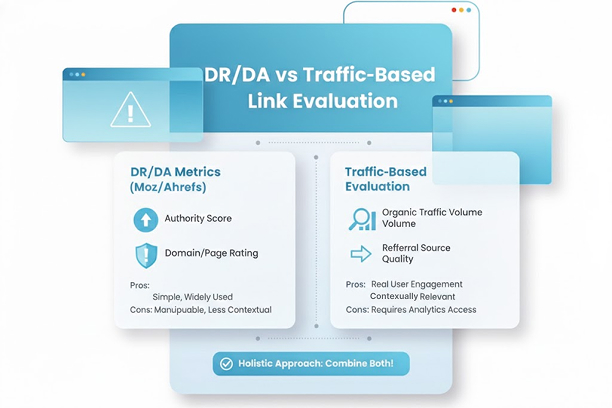
2. DR/DA vs Traffic-Based Link Evaluation
Many people look at DR or DA before getting a link. These numbers can give an idea, but they do not show the full picture. A site can have high DR and still bring no visitors. Traffic shows if real people visit a website. If a page gets visitors and sends some of them to your site, the link can be useful.
Even a site with low DR can help if it has real traffic and related content. It is better to check both things. DR and DA show strength, but traffic shows real value. Links that bring people and fit your topic often work better than links with high numbers only.
3. Competitors research
Watching competitors may show what works in your niche. Not to copy, but to notice patterns. Some industries get links from blogs or research pages. Others appear in directories, partnerships, or community sites. If similar pages get fewer links, it may be an exposure issue, not quality. Timing matters also. Sites that grow links slowly may appear more natural. Search engines may trust steady growth more.
4. Editorial Links vs Paid Links (What Works in 2026)
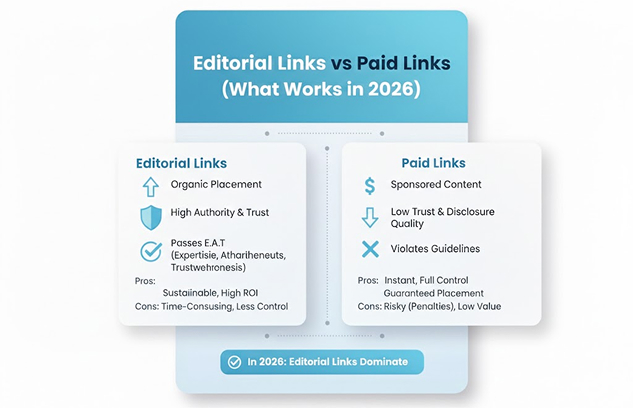
Editorial links come naturally. They are added by website owners because the content is useful. These links usually stay longer and look more real to search engines. They grow over time and follow a natural pattern.
Paid links are different. They are placed in exchange for money or favors. Some of them may work for a short time, but many do not last. Search engines may ignore them if they look forced or repeated
5. Content Quality
Off-page SEO works better if the content is strong. Pages made only for links may not get noticed. Content explaining a topic, comparing options, or filling gaps may get natural links over time. Links appear when the content solves a problem or clears confusion. Writing simply and factually may attract more mentions than using exaggerated claims. Consistency is helpful. When many pages have a steady quality, links may spread naturally.

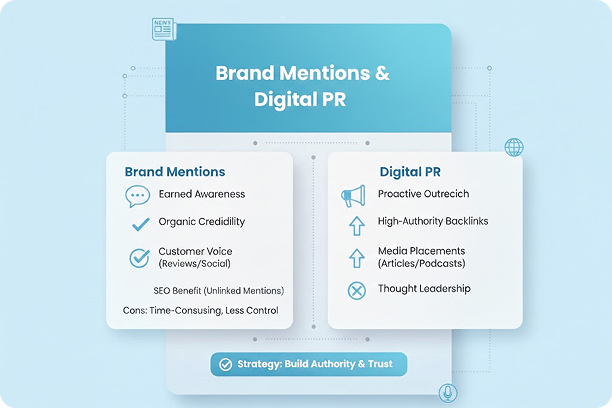
6. Brand Mentions & Digital PR
Outreach can help, but it works differently now. Sending the same email to many publishers may not work. It may be better to show you know their content and not force anchor text or link placement. Fewer links from related sites may be better than many random links. Replies may come slowly, and many attempts may fail. This is normal, part of how editors work. Follow-ups should be short and spaced. Too many follow-ups may reduce credibility.
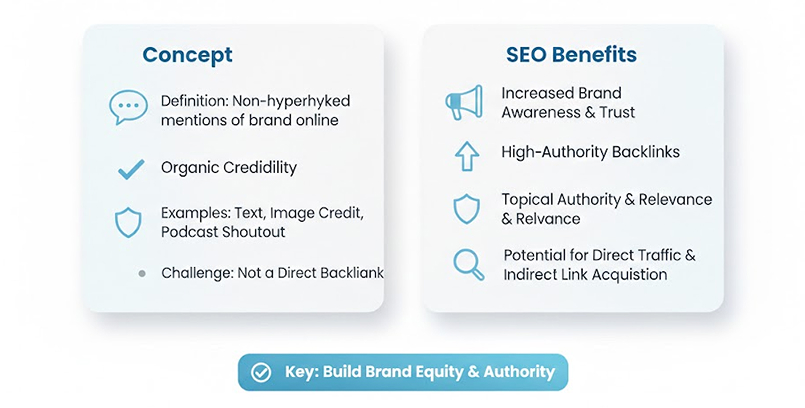
7. Brand Mentions Without Links
Not all mentions need links. Brand mentions in articles, reviews, or discussions in Reddit, Quora, Slack, and Discord can still help. Tracking mentions allows fixing wrong details. Sometimes mentions may turn into links, but even without links, they give recognition. Wrong spelling, old names, or mismatched info may reduce the effect of mentions.
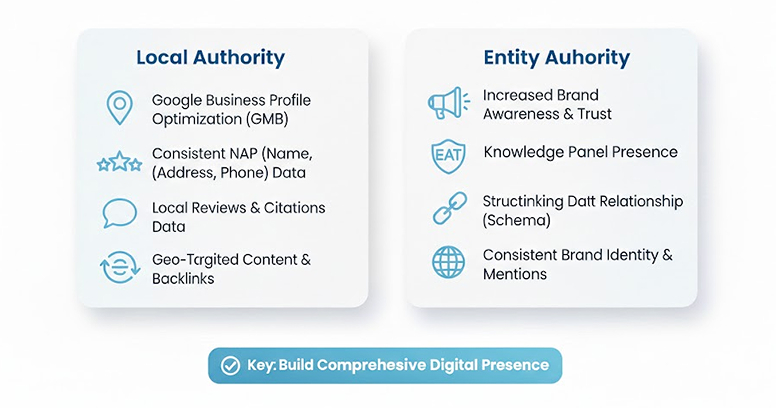
8. Local & Entity Authority Signals
For local businesses, off-page SEO may include citations in directories, maps, and reviews. You must add the correct information, address, and contact information. Any wrong information may lose your trust. Reviews are so important for building credibility and trust. Steady growth looks better. Local news or events sites may give small but useful signals if they show real activity.
9. Tracking Performance
Off-page SEO needs checking again and again. Links can disappear, pages can change, and ownership may switch. Regular monitoring can show which links stay strong and which are lost. Referral traffic may tell more than link counts. Pages that send engaged visitors show stronger value. Sudden traffic drops may show a problem. Looking at multiple metrics together works better.

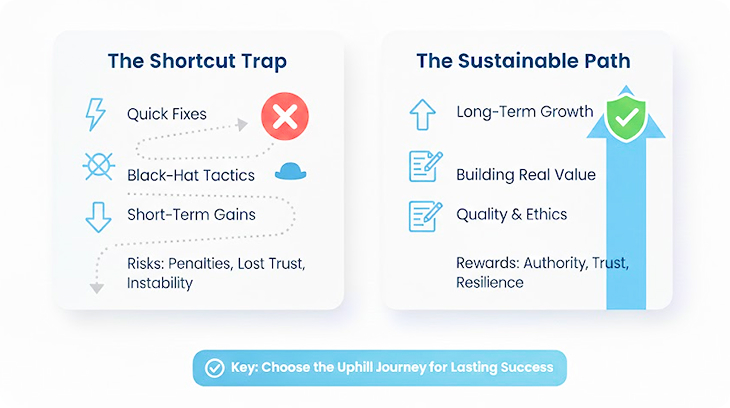
10. Avoiding shortcuts
Do not use short-term tactics to boost the visibility of your website through off-page SEO. Paid reviews, backlinks negatively affect your ranking in the long term. These may not get penalties fast, but rarely help long-term. Link growth should be steady. Quick jumps and inactivity look unnatural. Slow growth shows how real websites get recognition. Cleaning bad links may help.
Ready to Build Real Off-Page Authority?
Get a customized off-page SEO plan built around your niche, competitors, and growth goals.
Conclusion
Off-page SEO is not a single-day job. It is continuous work that shapes the credibility of your website and helps search engines rank it. If you notice any bad backlinks, remove them. Do not rely on shortcuts. Build trust through honest reviews, a few authoritative backlinks, and do not run before the number of backlinks. Always prefer quality over quantity. Many professionals, like Mindcob Digital marketing agency, help people to rank their website by fixing off-page SEO. They have a team of experts who diagnose the issue in your backlinks and help you boost your visibility.
Frequently Asked Questions
Off-page SEO may show how other sites see your site, not only your pages. Links, brand mentions, and reviews can help. Search engines use these to see if a site is trusted. Even good pages may not rank high without off-page signals.
Links are important, but not the only thing. Mentions without links, reviews, and citations also help. Search engines may look at patterns and consistency, not only the number of links. So, links alone may not give a steady result.
Backlinks may change. Links can disappear, pages may be removed, and some links may not work anymore. It is good to check regularly, maybe every few months, to see which links are strong and which may cause problems.
Yes, they can count. Even if a mention has no link, it may show search engines that your brand exists. But spelling, consistency, and context matter. Wrong info may reduce the effect.
Not really. Off-page SEO is ongoing work. Links, mentions, and reviews may change. Trends and search rules change. Doing it once may help a little, but steady work with publishing and relationships gives better long-term results.