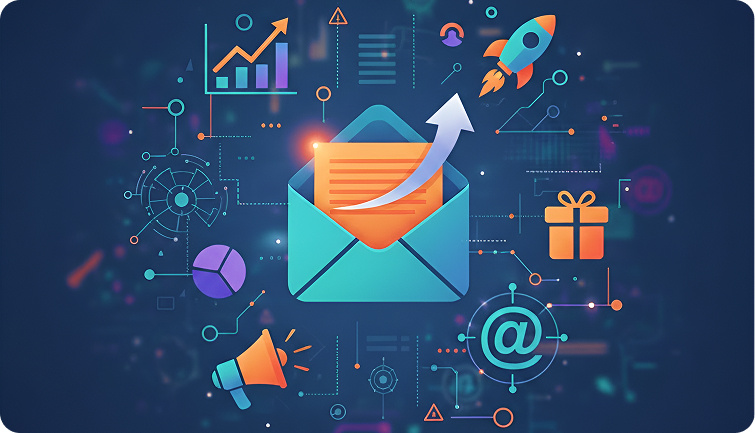
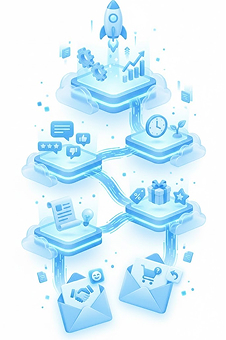
Email marketing is when a business sends emails to people. It helps people know about the brand, products, or services. Emails can share news, tips, offers, or updates. They make people remember the business. There are many types of emails; they welcome new users, give news, show special deals, and ask for feedback.
Some emails remind people who have not used the service for a long time. Each email has a job. If a business uses emails in a good way, people can trust them. They stay connected and sometimes buy products. Email marketing is simple, but it can help a lot if it is done carefully.
In this blog, we show 12 email marketing examples. They are easy to understand and can help businesses in Canada.
Email Marketing That Actually Converts
Get expert-built email campaigns designed for Canadian businesses — from strategy to execution.
Email marketing is a kind of online marketing that uses email to talk to potential customers. The main goal of email marketing is to make people know about a brand, keep customers coming back, and share information about products or services.
Even though email marketing has been used for a long time, today many marketers use tools that send emails automatically. These tools help make emails more personal for each customer.
Email Marketing Examples
Email campaigns can help earn more money, make people trust your brand, and keep your audience interested if they are done the right way. They also give useful information to see what works well and what needs to be fixed. There are different kinds of email marketing. Common email marketing examples include:
1. Welcome Emails
A welcome email helps you connect with new subscribers from the start by showing them your brand. For example, Ballpark has a welcome email that shows this clearly.
In this welcome email, the user is called by their name and quickly gets important login information, like a special link and username, so they can start without any problems.
2. Awareness Emails
Brand awareness emails tell people about your brand, products, or services. They help show that your business knows what it is doing. Not everyone who signs up for emails is ready to buy. These emails keep your brand in their mind and share useful information. People are more likely to trust your brand if they hear from you more than other companies. According to a HubSpot survey, almost 43.9% of marketers use awareness emails as one of the main goals of their email strategy.
3. Lead Nurturing Emails
Lead nurturing emails give information to people who might buy soon. These emails try to help them decide to buy. They often include clear buttons or actions to click. For example, Wistia sends emails that teach people with videos and also show their services.
For example, a lead nurturing email can have pictures and a clear button to click. Wistia uses these emails to show their services and teach people by sharing videos.
Turn Leads Into Paying Customers Automatically
We design and automate lead-nurturing sequences that guide prospects from signup to sale.
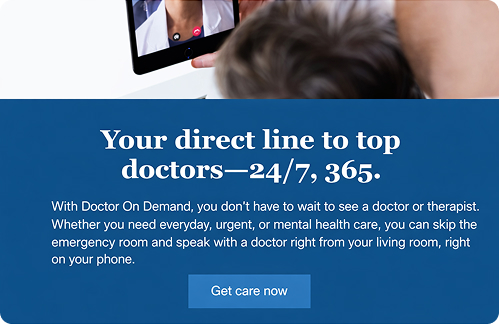
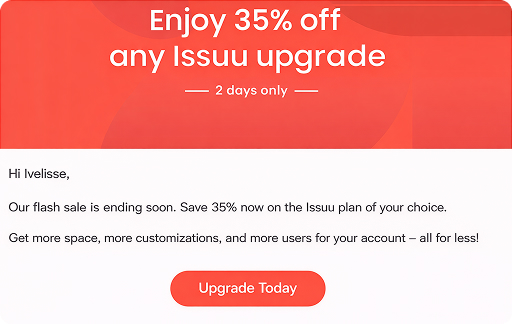
Promotional emails share information about products, services, or special deals. They try to make people act fast. These emails typically clearly outline what is being offered. Here is an example of it:
5. Newsletter Emails
Newsletters are emails sent regularly, like every week or month. They give news, updates, tips, or choosen information about a topic or business. These emails give readers helpful information, keep them interested, and help them feel connected.
6. Feedback/Survey Emails
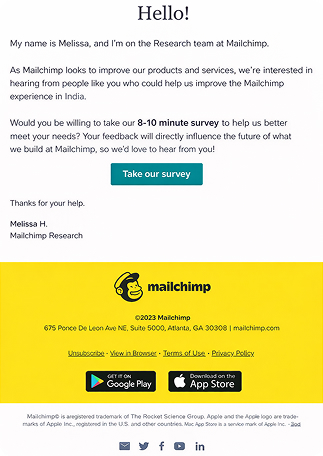
Feedback emails ask people to share their thoughts. They often use short subject lines, tell clearly what they need, and sometimes offer a small reward like a discount. They also say how long it will take. These emails are short, simple, and easy to read without pictures or extra decorations.
The email has a simple white background, a button to click, and details that show how long the survey will take. It is easy to read and does not distract because there are no pictures or extra images.
7. Transactional Emails
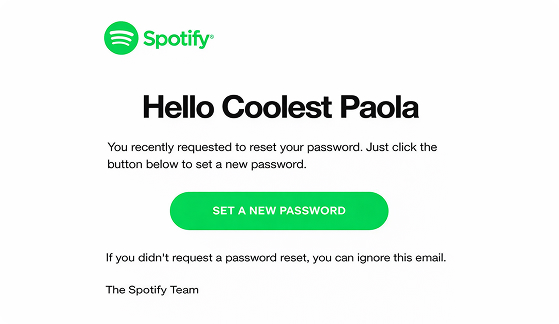
Transactional emails are messages that go out automatically when someone buys something, changes a password, or creates an account. These emails give important information like order numbers, tracking links, or how to check an account. People look for these emails, and they usually open them.
8. Re-Engagement Emails
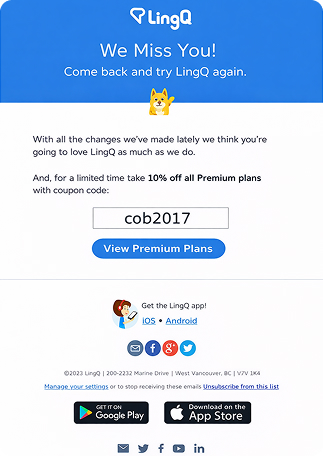
Re-engagement emails are sent to people who have not interacted for some time. They try to get people interested again. These emails remind people about your brand, offer discounts, or ask for feedback. For example, LingQ sends a “we miss you” email, shows new updates, and gives a promo code for a limited-time offer to make people curious.
This is a great example of a re-engagement email from LingQ. The majority of re-engagement emails begin with the well-known “we miss you” approach.
Inactive Subscribers? You’re Leaving Money on the Table
We help you re-engage cold audiences with smart copy, offers, and automation.
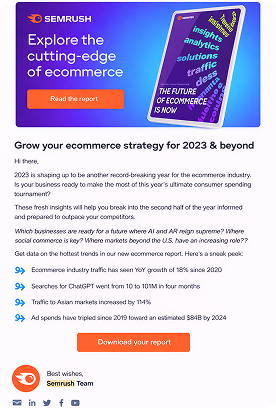
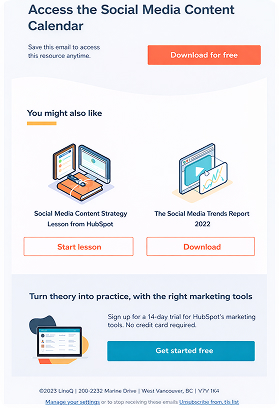
Marketing emails are sent to leads to educate them or show products. SaaS companies often send these emails. They share resources, explain products, and include actions like signing up for a trial. HubSpot does this by giving helpful guides and links in their emails.
One software company that often uses lead magnets is HubSpot. They send helpful resources by email, show other HubSpot resources, and include a button to sign up for a free trial.
10. Webinar Invite Email
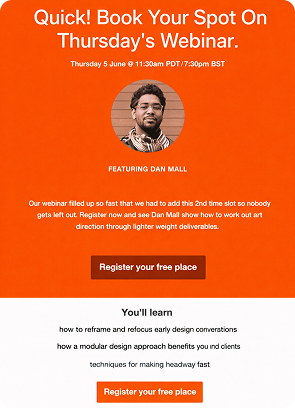
Webinar emails invite people to online events. They share the date, time, topic, presenters, and a clear link to register. These emails aim to get more people to join workshops, online talks, or conferences. These emails are sent to make people want to join online events, workshops, or webinars. Look at the example of a webinar-invitation email below.
11. Product Launch Emails
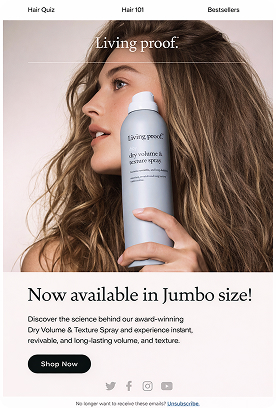
Product launch emails tell people about new products, services, or features. They help make people interested and can encourage them to buy. Sometimes these emails come in a series with short previews before the launch and follow-up emails after.
12. Community Engagement Emails
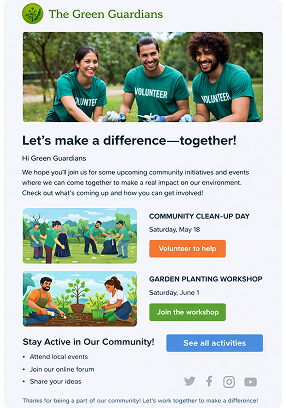
Community emails help you connect with people near your business. They encourage people to take part in forums, newsletters, or local events. These emails make people feel listened to and included.
Ready to Upgrade Your Email Marketing?
Mindcob Digital Marketing Agency helps Canadian businesses grow with custom email strategies that convert.
Email marketing is a simple and useful way to connect with customers. Different types of emails do different jobs. Some emails welcome new people, some share news, and some help people decide to buy. Others remind inactive customers, give surveys, or show new products. Regularly sending emails and checking what works or does not work makes the campaign better over time. Professionals such as Mindcob Digital Marketing Agency Canada help people to customize email marketing according to their business needs.
Frequently Asked Questions
What is email marketing?
Email marketing is sending messages to people using email. It tells them about products, services, or your brand. It helps keep customers interested.
Why do businesses use different types of emails?
Different emails do different jobs. Some say welcome to the new users. Some give news. Some ask people to buy. Some ask for feedback. Using the right email helps reach the goal.
What are newsletters?
They give news and keep people interested. Don’t send too many emails. You can send them on a monthly or weekly basis.
What are transactional emails?
Transactional emails are automatically sent to customers. They send when someone buys, signs up, or does something. They show important info like order numbers or account details.
How do re-engagement emails work?
Re-engagement emails go to people who have not use your service for a while. They remind them about your brand, give small offers, or ask their opinion to get them interested again.